

COROS PACE Pro vs PACE 4 Pro: my switch after Berlin
I bought a COROS PACE 4 Pro at the Berlin Marathon expo after using the PACE Pro. My enthusiasm, display, battery and weight compared. Not a brand partnership.
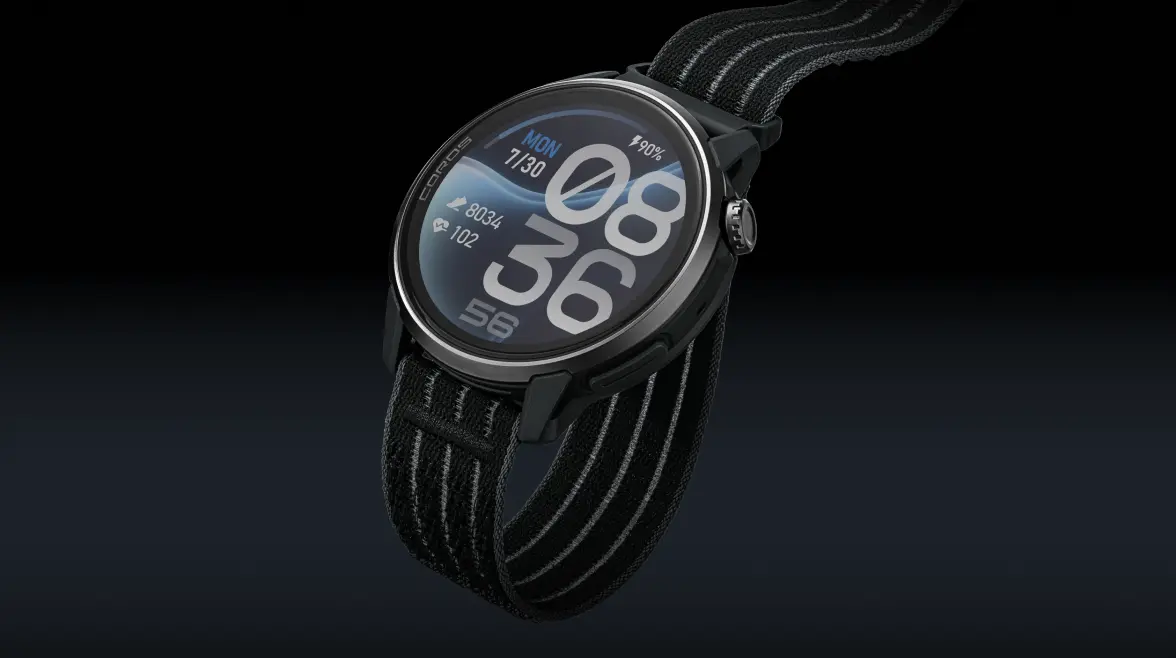
I use COROS watches. Until recently I had the PACE Pro, but I bought a PACE 4 Pro at the Berlin Marathon expo — and I am delighted with the change. What matters to me in a running watch is a readable display, battery life, comfort on my wrist and reliability during training. Those are the things this article focuses on.
I bought the watch myself. This is not a COROS partnership or a paid advertisement. 🙂
A display you enjoy looking at
The PACE Pro already has a good 1.3-inch AMOLED display. The PACE 4 Pro offers a larger 1.47-inch screen and higher peak brightness: COROS specifies up to 3,500 nits instead of 1,500. In practical terms, the newer model provides more room for data and extra brightness outdoors. Readability also depends on font size and how many fields you put on a screen.
I do not want to decipher tiny numbers while running, so the larger display is one of the changes that interests me most. If you are starting out, time and distance are perfectly reasonable first choices. You do not have to monitor ten figures at once for a watch to be useful.
The main differences at a glance
| Feature | PACE Pro | PACE 4 Pro |
|---|---|---|
| AMOLED display | 1.3 inches | 1.47 inches |
| Manufacturer-rated peak brightness | 1,500 nits | 3,500 nits |
| Weight with nylon strap | 37 g | 43 g |
| High / All Systems GPS, gesture display | Up to 38 hours | Up to 60 hours |
| Dual-frequency GPS, gesture display | Up to 31 hours | Up to 40 hours |
| Daily use with sleep and stress tracking | Up to 20 days | Up to 21 days |
Battery life: the biggest gain is during sport
The difference between 20 and 21 days looks modest. With GPS recording, the gap is larger: in the comparable High / All Systems mode, the manufacturer rates the PACE Pro at 38 hours and the PACE 4 Pro at 60. More battery headroom is welcome for longer runs, outings and a weekend of sport.
Compare the same settings. An always-on display, navigation and music change power consumption. With High GPS and the always-on display enabled, COROS specifies up to 28 hours for the PACE Pro and 45 for the PACE 4 Pro. These are manufacturer estimates; actual battery life depends on use.
Light weight and reliability, in perspective
Both models remain light, but the PACE 4 Pro is not lighter than the PACE Pro: with a nylon strap the manufacturer lists 43 g versus 37 g. Weight changes with the strap, so try the fit, especially if you have a smaller wrist.
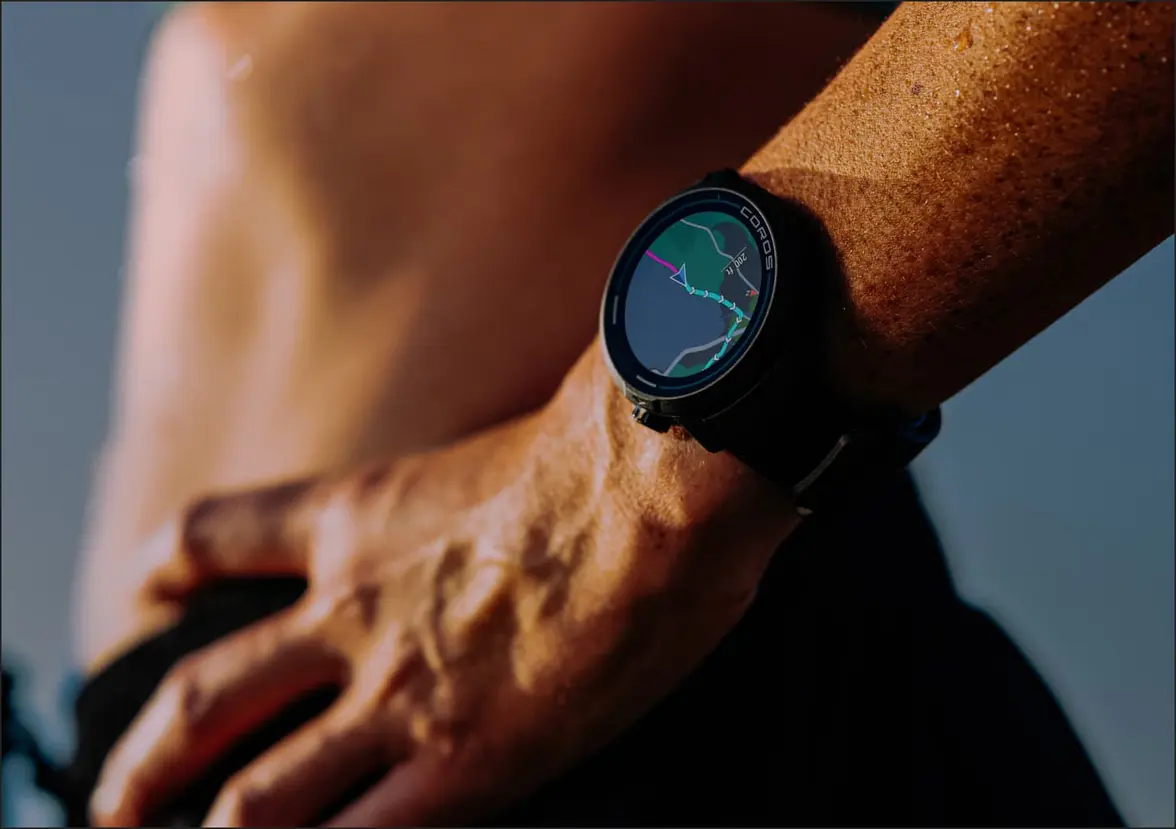
To me, reliability means being able to focus on the run and having a clear training record afterwards. Both models offer dual-frequency GPS and maps. A specification alone does not promise flawless tracking on every street or under trees. The video reviews below offer more detailed practical GPS and heart-rate sensor testing.
Who might appreciate the upgrade?
I would consider the PACE 4 Pro mainly for the larger display and extra battery headroom on longer activities. If your PACE Pro works well for you, a new release alone is not a reason to replace it. It still offers plenty for everyday training. That is my practical take, not a rule for everyone.
If you are just starting to run, begin with what you already have. A watch is a useful tool, but choosing the latest model does not have to be your first running task. If you are unsure which figures matter for you, we can talk it through simply in a consultation.
Video reviews for a closer look
Here are two detailed reviews of the specific models. They are in English and open on YouTube; you do not need to watch them to understand this article. They present other reviewers’ findings, not my own measurements.